




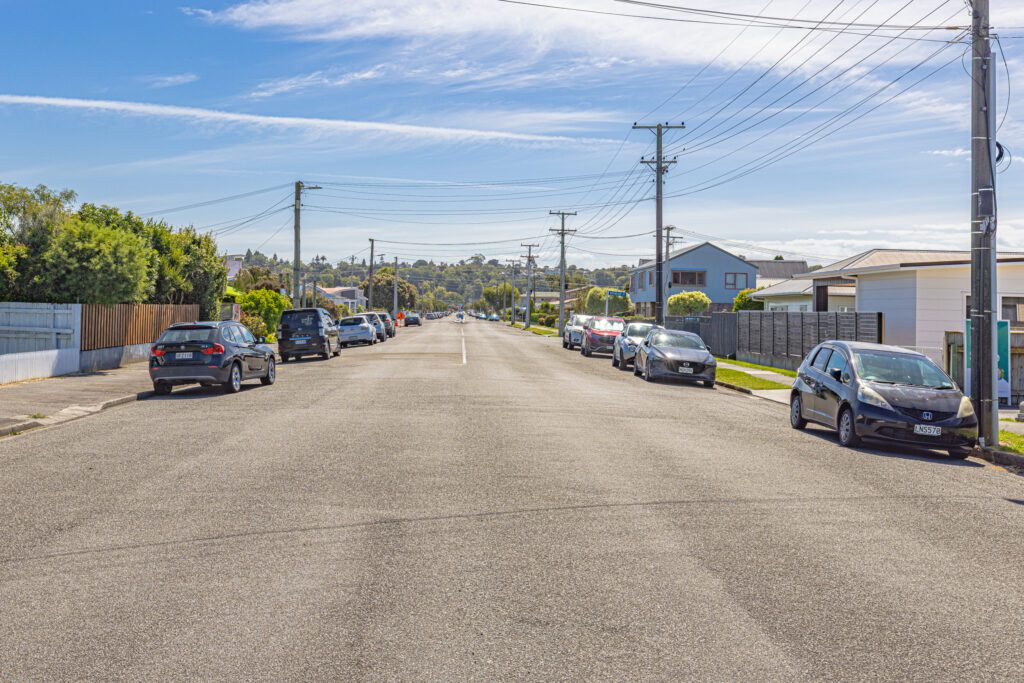
A recent report from NewstalkZB has highlighted a growing “parking nightmare” in Auckland, where residents are struggling to navigate streets choked by overflow parking. The story features one particular development of 27 flats with only a single allocated carpark, forcing residents to park on berms, footpaths, and yellow lines.
At Venture Build, we’ve been following these stories. While parking is an issue that arises frequently in urban development, we believe that with proactive design and a sensible District Plan, Whanganui can avoid the mistakes seen in larger centers like Auckland and Wellington.

The Whanganui Advantage: Lessons from Mathieson Street
In Whanganui, we are fortunate to have a District Plan that supports sensible growth. A prime example of this is our recent Mathieson Street Triplex project.
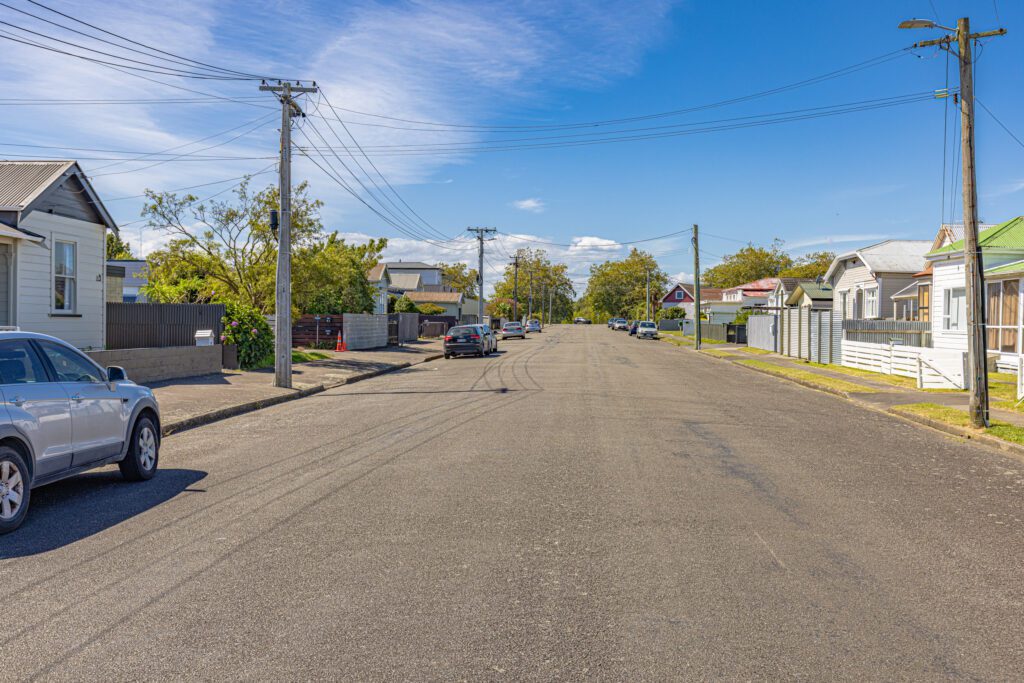
When designing this medium-density development, we worked closely with the council to ensure the project was fit for purpose. Because of the site’s proximity to the CBD and local amenities, we’ve observed a trend where renters often only require one vehicle per household. By utilising the ample street width for visitor parking and ensuring the development felt integrated into the neighborhood, we were able to satisfy council requirements without compromising the local environment.
This is a clear example of the District Plan working well, allowing for modern, medium-density living while maintaining the accessibility of the street.
Community-First Design
However, not all developers share this philosophy. The “nightmare” scenarios reported in Auckland occur when density is prioritised at the total expense of infrastructure.
The majority of our projects are designed with off-street parking in mind. We believe the community’s lifestyle must be at the forefront of the design process. As Whanganui continues to grow, there will naturally be an increase in developments that utilise on-street parking, but finding the balance is key.
Will Whanganui Face a Parking Crisis?
As we look to the future, the question arises: Will we see these same parking battles in Whanganui?
We don’t think so. Here is why:
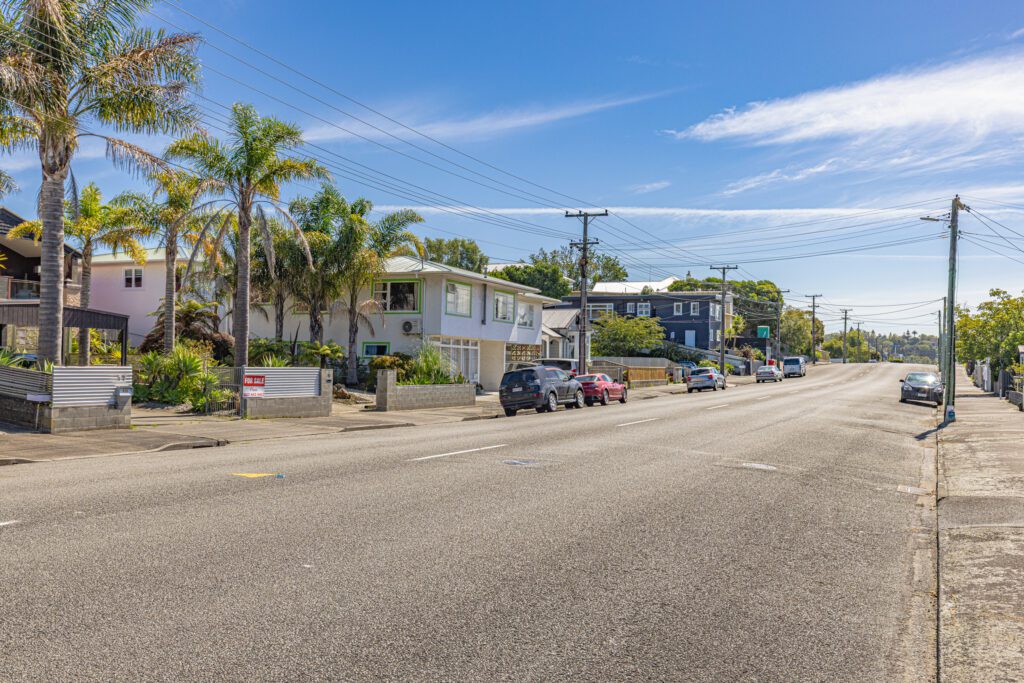
- Sensible Zoning: Our current minimum zoning requirements provide a safety net that prevents the “27 flats, one park” extremes seen elsewhere.
- Proactive Development: We believe local developers want to do what is right for the community. Building a home that creates a headache for the rest of the street isn’t good business – it’s poor design.
- Strategic Growth: By focusing on medium density in areas with wide streets and high walkability, we take the pressure off the roading network.
The Road Ahead
Growth is essential for Whanganui, but it shouldn’t come at the cost of our livability. By keeping the community’s needs at the center of every design, we are committed to ensuring our streets remain safe, navigable, and beautiful.
Whanganui is growing, but thanks to a collaborative approach between developers and the District Plan, we can ensure our “parking story” remains a positive one.
Last Updated on February 25, 2026