



You’ve looked at your section, done the maths, and realised there’s real money sitting under that back lawn. Subdividing can unlock value from land you already own, but only if the team running the project actually knows what they’re doing. Get it wrong, and you’re looking at blown budgets, stalled consents, and a backyard full of unanswered questions from the council. Get it right, and you walk away with a new legal title, a tidy return, and a process that barely disrupted your life.
So how do you actually separate a reliable subdivision builder from someone who’s just good at building houses? Here’s what to look for – and why it matters more than most people realise.
Subdivision Is Not the Same Job as Building a House
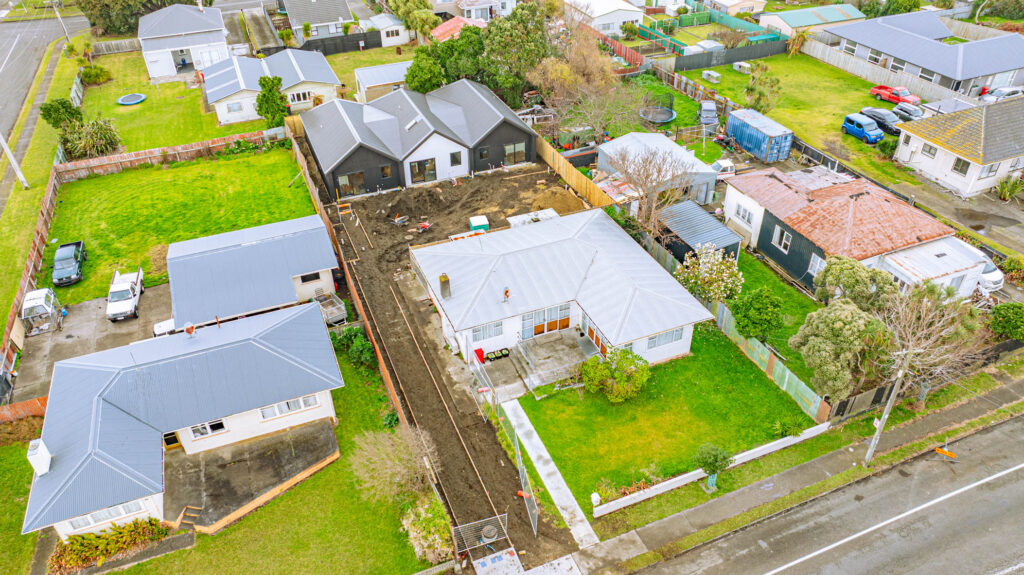
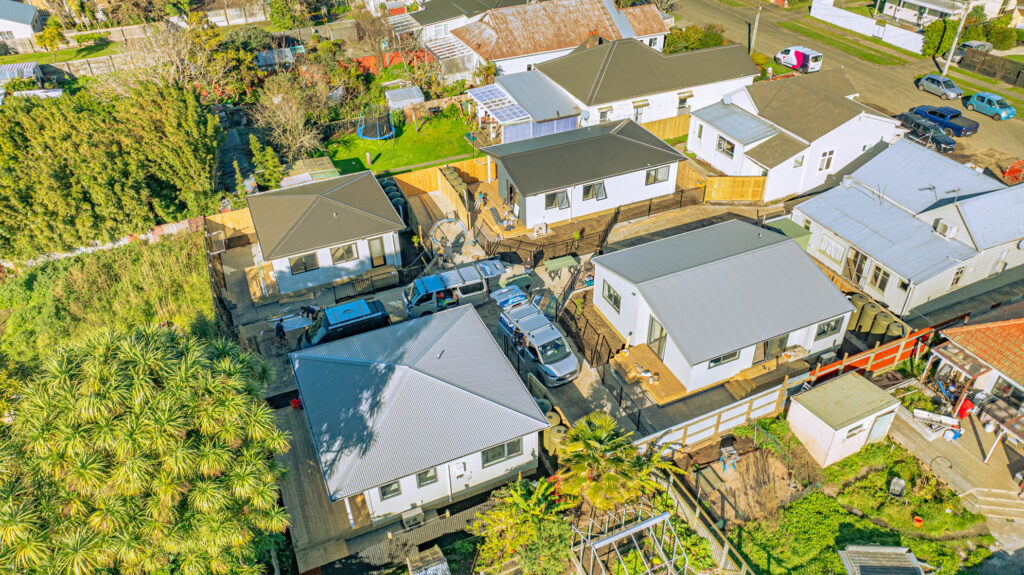
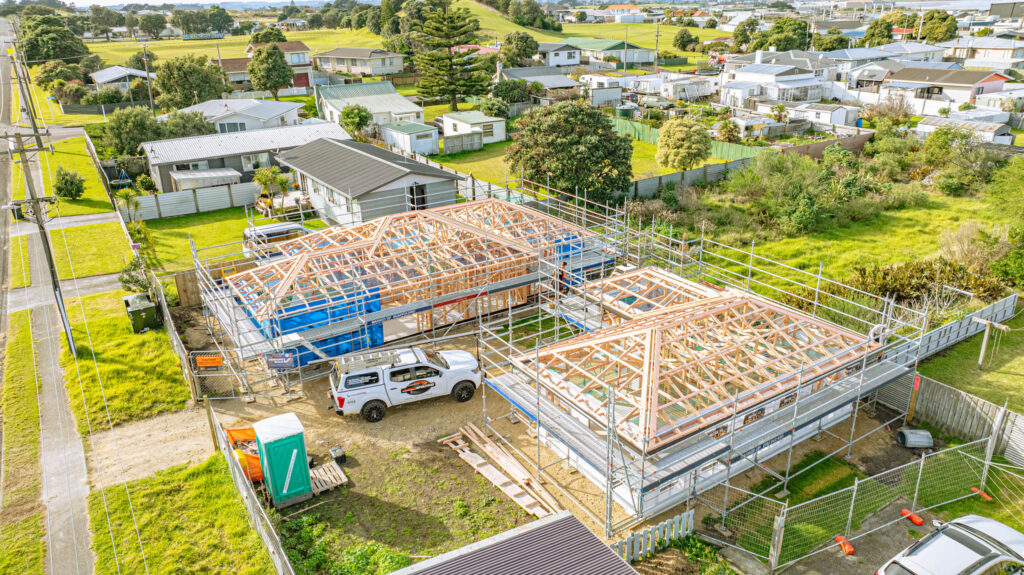
This is the bit people miss. A builder can be brilliant at framing, cladding, and finishing a home and still be completely out of their depth managing a subdivision. Subdividing involves a different skill set entirely: understanding the District Plan, coordinating surveyors and civil engineers, managing resource consent conditions, and answering questions from council, laying new wastewater and stormwater infrastructure, and getting titles through Land Information New Zealand at the other end.
What “Reliable” Should Actually Mean
Before you sign anything, look for evidence of these six things:
1
A genuine subdivision track record – not just a building one.
- Ask how many subdivisions the team has actually delivered, and ask to see them. Anyone can talk about infill housing in general terms; far fewer can point to completed titles with their name on the consent history.
2
Recognised certifications, not just claims.
- Reliable outfits carry proof, not promises. Look for a Licensed Building Practitioner (LBP) on the team, NZCB membership backed by the Halo 10-Year Residential Guarantee, a SiteWise Gold health and safety rating, and Tōtika Health & Safety Accreditation. These aren’t marketing badges – they’re independently assessed standards that protect you if something goes wrong.
3
Their own crew, not a rotating cast of subcontractors.
- Companies that employ their own builders, rather than outsourcing the whole job to whoever’s available, tend to deliver more consistent quality and are far easier to hold accountable.
4
Straight answers on cost and timeline, upfront.
- A two-lot residential subdivision in Whanganui typically runs from roughly $120,000 to $150,000+, once you factor in surveyors, engineers, council fees, and Development Contributions of $12,000 to $40,000+ per new lot. The whole process – from feasibility through to LINZ issuing your new title usually takes 12 to 18 months for a straightforward site. A builder worth trusting will walk you through numbers like these in the first conversation, not dodge the question until you’ve signed something.
5
Real reviews from real local clients.
- Search for testimonials that mention subdivisions specifically, not just new builds. One Whanganui client, Wayne, put it simply after his own subdivision and build: “Adam and the team were very helpful stepping us through the subdivision of a section and building the property. It was finished on time and budget. Very clear with communication and keeping you informed during the whole process.” That’s the kind of feedback worth weighing far more heavily than a fancy website.
6
A free, no-pressure feasibility check.
- Any builder confident in their subdivision process should be happy to look at your site and give you an honest answer – including if subdivision isn’t actually a good fit for your section. If a company pushes you straight to signing a contract without this step, treat it as a warning sign.
Why Local Ownership Matters More Than You’d Think
There’s a reason so many Whanganui property owners specifically look for a locally owned team when it comes to subdivision. Council relationships, familiarity with the District Plan, and knowledge of which streets have tricky liquefaction or drainage issues aren’t things a national franchise just picks up – they come from working on the ground.
Venture Build started, quite literally, on the cricket pitch. In 2020, three Whanganui mates – Adam Tipper (project management experience from the UK), Pete Czerwonka (a working builder and Licensed Building Practitioner), and Simon Aitken (a property investor with 25 years in the local market and 15 subdivision projects under his belt) — realised their skills lined up almost perfectly. By 2022, that conversation had turned into a company, and the rule they set from day one was simple: stay 100% Whanganui-owned and operated. No franchise script.
That team has since grown from five people to 21, but the specialisation has only sharpened. Venture Build carries the full set of credentials worth checking for – Licensed Building Practitioner status, NZCB membership with the Halo 10-Year Residential Guarantee, SiteWise Gold, and Tōtika Health & Safety Accreditation – and runs its own in-house crew, in-house architectural designer, and dedicated Project Manager and Infill Specialist for every subdivision, rather than handing your project off to a revolving door of subcontractors.

Not Sure If Your Section Is Even Worth Subdividing?
That’s exactly what the feasibility stage is for, and it costs you nothing to find out. Venture Build offers a free online property check that gives you a same-business-day answer on whether your section stacks up for subdivision or infill – before you spend a cent on surveyors or engineers.
If it does stack up, you’ll be working with a team that’s walked this exact path with dozens of Whanganui property owners: from the first zoning check, through resource consent and civil works, right through to the complete walk-in build.
Ready to see what your land could be worth? Get in touch with Venture Build for a free feasibility consultation, or run your property through our quick online subdivision check to get started today.
Last Updated on August 27, 2026