




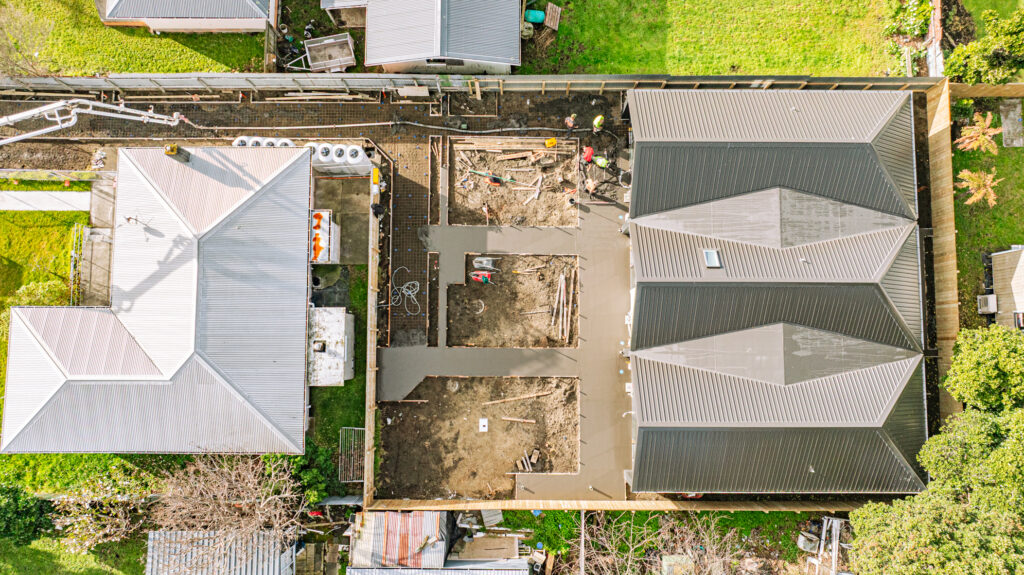
Subdividing a property looks simple on paper. Draw a line, sell the section, bank the profit. In practice, most of the costly decisions get made weeks or months before a builder is ever involved – usually by property owners trying to save time or money upfront, and ending up spending more of both later.
Here are the five mistakes we see most often in Whanganui, and what to do instead.
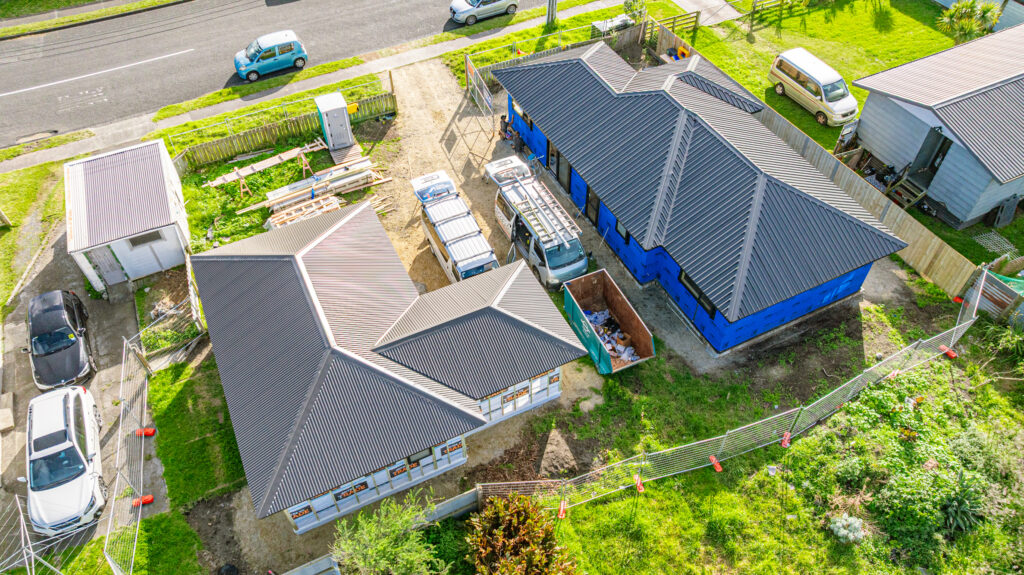
1. Assuming the section is subdividable before checking council rules
Minimum lot sizes, road frontage requirements, and infrastructure servicing vary by zone, and they change. A section that could be split five years ago might not qualify today – or might qualify for something different from what the owner has in mind. Owners who skip this step often commission surveys, get quotes, or start talking to buyers before finding out the numbers don’t work.
Do this instead: Get a feasibility check before anything else moves forward. It costs nothing and tells you what’s actually possible on your land, not what you assumed was possible.
2. Treating the survey and the build as separate decisions
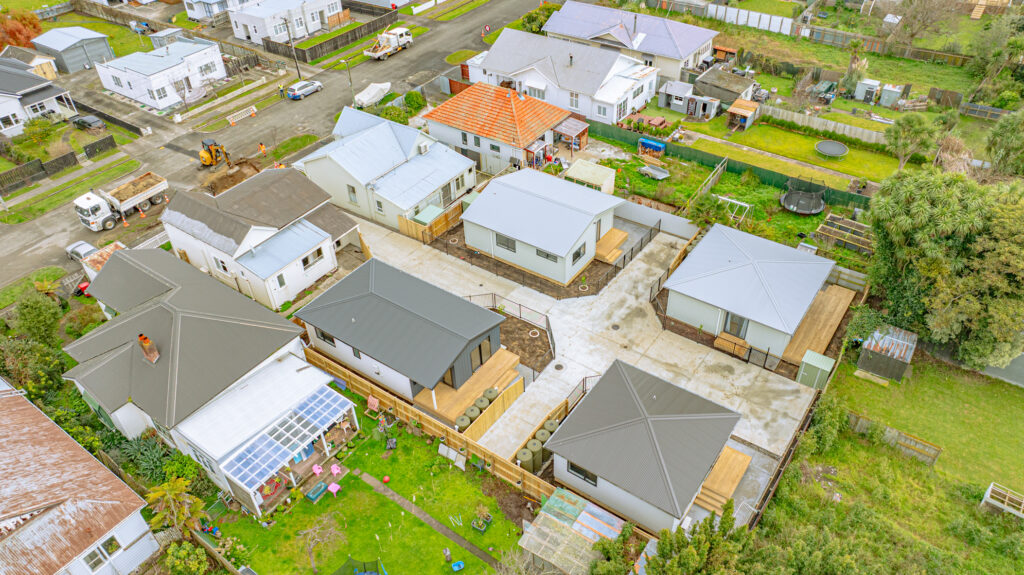
Subdivision surveying, consenting, and the actual build are usually handled as three disconnected jobs – a surveyor, a council planner, and eventually a builder, each brought in at a different stage with no one owning the whole process. That’s how timelines blow out: rework happens when a surveyor’s plan doesn’t account for build access, or a consent condition surfaces late that changes the build cost.
Do this instead: Bring in a builder who works subdivisions end-to-end, early, not just for the construction phase.
3. Underestimating infrastructure costs
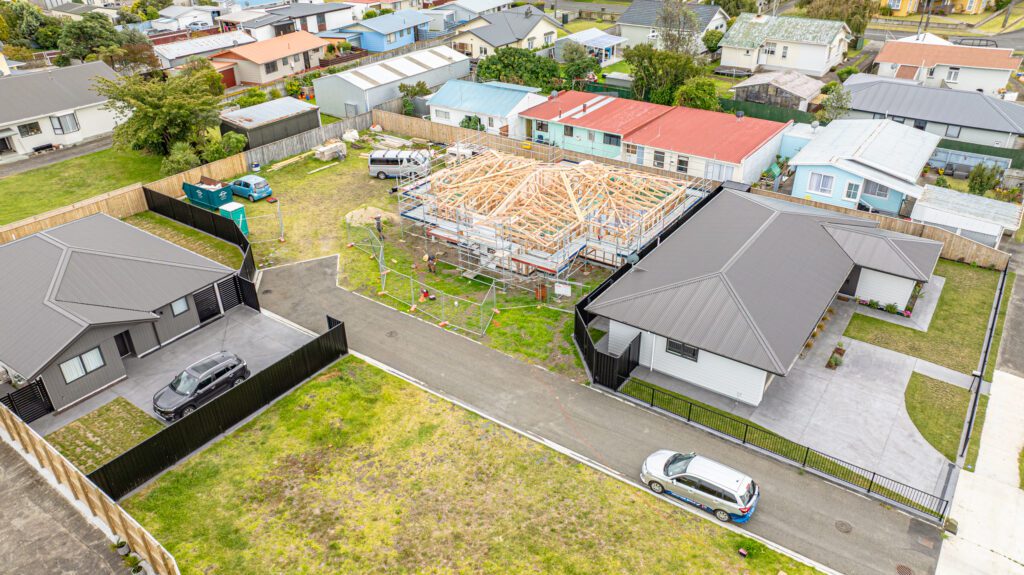
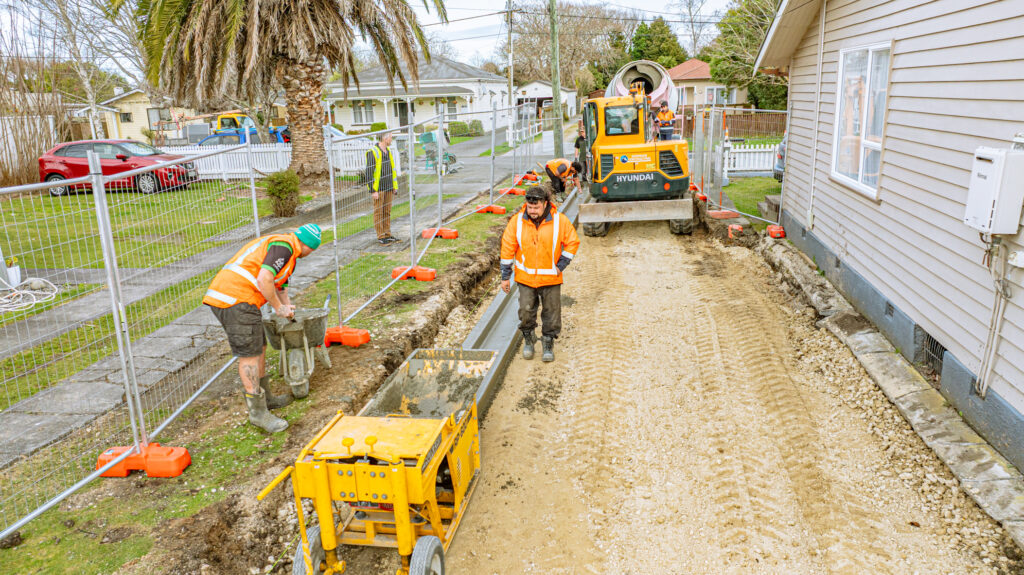
Stormwater, wastewater connections, right of ways, and vehicle crossings are where subdivision budgets usually go wrong. These costs are highly site-specific and easy to lowball if you’re pricing from a generic online guide rather than an actual site assessment.
Do this instead: Ask for a cost breakdown that separates infrastructure from build costs, so you know exactly where your budget is going and why.
4. Choosing a builder on price alone
A low quote on a subdivision project often means fewer site visits, less experience navigating council requirements, or subcontracted crews with no ongoing accountability. The savings on paper tend to disappear once delays, variations, or defects show up.
Do this instead: Weigh price against track record, ensure you are comparing apples with apples – ask how many subdivisions they’ve completed locally, whether the crew is in-house, and whether they’ll put you in touch with past clients.
5. Not asking who’s actually swinging the hammer
Some builders quote the job, then subcontract it out to whoever’s available. That’s not necessarily a problem, but it does mean less consistency and less direct accountability if something goes wrong.
Do this instead: Ask directly whether the crew on your job is in-house. A builder confident in their own team will answer that without hesitation.
The short version
Subdivision problems are rarely about the build itself – they’re about decisions made before a builder was in the room. Getting a straight answer on feasibility, cost, and process early is what separates a subdivision that runs smoothly from one that drags on for a year longer than it should.
Thinking about subdividing your Whanganui property? Get a free feasibility check before you commit to anything.
Last Updated on September 2, 2026